Evolved360 IT
Every Device. Every Server.
Always Running.
Workstation Management. Cloud Infrastructure. Server Administration. All Under One Roof.
When workstations are slow, servers are unpatched, and cloud costs keep climbing without explanation — productivity suffers and risk accumulates. Our infrastructure management practice keeps every layer of your environment running, secure, and optimized.

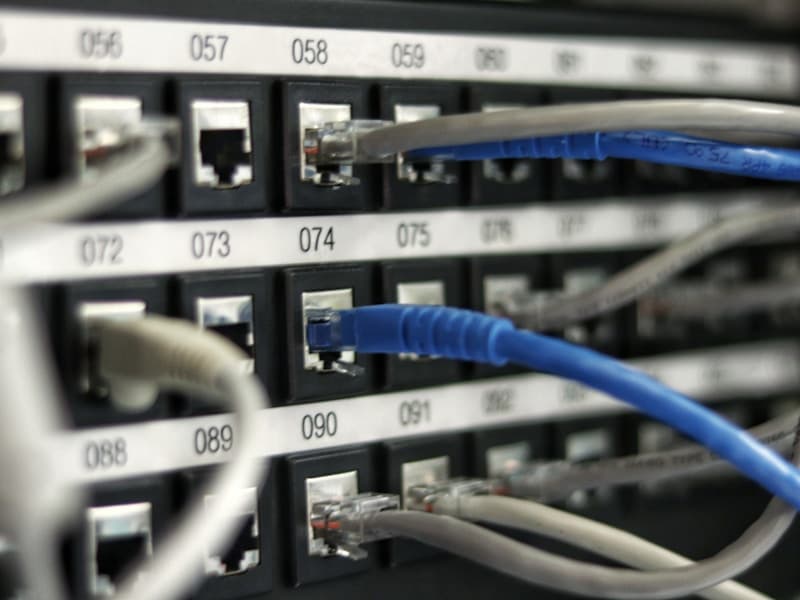
Your Infrastructure, Fully Managed
Most IT problems don't start with a failure — they start with months of deferred maintenance.
Missed patches, unmonitored disk usage, cloud resources left running after a project ends, workstations that haven't been reimaged in four years — these are the conditions that turn a $200 fix into a $20,000 incident. We manage your entire infrastructure layer: workstations, physical and virtual servers, and cloud environments across Azure and AWS, so nothing falls through the gaps between tools or teams.
35%
Avg. performance improvement
99.9%
Server uptime target
Azure/AWS
Certified cloud platforms
24/7
Infrastructure monitoring
What Changes
What a fully managed infrastructure environment actually looks like.
Workstations That Stay Current
Automated patch cycles, software deployment, and performance baselines mean users aren't working on machines that are 18 months behind on updates.
Cloud Costs You Can Explain
We right-size cloud resources, terminate idle instances, and apply Reserved Instance pricing where it makes sense. Most clients reduce cloud spend 20–30%.
Servers That Run — and Stay Running
Proactive health monitoring, capacity planning, and tested backup schedules mean your servers don't become a liability you find out about during an audit.
One Team Accountable for All of It
No more finger-pointing between your cloud vendor, your server admin, and your helpdesk. One team owns the entire infrastructure stack.
What We Manage
Every layer of infrastructure — end to end.
Workstation Patch Management
Automated, policy-driven patching for Windows and macOS endpoints. Patches are staged, tested, and deployed on a schedule — not ignored until a vulnerability makes the news.
Software Deployment & Licensing
Centralized application deployment and license tracking across all devices. No more manual installs, shadow IT tools, or unused licenses auto-renewing undetected.
Windows & Linux Server Admin
Full server administration including OS updates, role configuration, Active Directory, Group Policy, and performance tuning across physical and virtual environments.
Azure & AWS Cloud Management
We manage your cloud environments: compute, storage, networking, identity, and cost optimization. Whether you're fully cloud or hybrid, we own the configuration and the bill.
Virtualization & Containerization
Hyper-V, VMware, and Docker environments managed as first-class infrastructure — with the same patching, monitoring, and backup discipline applied to physical systems.
Remote Support & Monitoring
24/7 monitoring with alerting thresholds set to catch issues before users notice them. Remote resolution for the majority of workstation and server issues without dispatch.
Most clients improve system performance by 35% and reduce cloud spend by 20–30% within the first 90 days.
Book Free ReviewFull IT Coverage
Infrastructure management is one piece of a complete IT environment.
Workstations and servers don't exist in isolation — they connect to your network, your backups, your security posture, and your cloud. We manage all of it.

What Changes
What your environment looks like when infrastructure is actually managed.
Client result
“We had a mix of unmanaged cloud resources from three different projects that nobody knew how to consolidate. ETG cleaned it up, right-sized everything, and our monthly Azure bill dropped by almost $3,000. The workstation deployment process went from a half-day manual job to about 45 minutes.”
IT Manager · Distribution Company · ETG client since 2021
The Case for Managed Infrastructure
Why unmanaged infrastructure is one of the most expensive things a business can have.
The pattern is predictable: a business grows, devices and servers accumulate, cloud environments get provisioned for specific projects and then stay running, and no one person is accountable for the full picture. The workstations are mostly fine — until they're not. The servers are mostly stable — until a drive fails and the backup turns out to be six months old. The cloud bill climbs every quarter and nobody can explain exactly why. This is the cost of infrastructure that's monitored only when something breaks.
Managed infrastructure changes the operating model. Instead of reactive fixes, you get documented maintenance schedules, patch windows, capacity reports, and proactive alerts before problems become outages. Workstations get reimaged on a lifecycle, not when they become so slow that users complain. Servers get patched before the vulnerability is on a news site. Cloud environments get reviewed quarterly so provisioned resources don't accumulate into a budget problem. The result isn't just fewer incidents — it's infrastructure that's predictable, documentable, and defensible during an audit or due diligence process.
The businesses we work with in Hamilton, Burlington, and across Ontario typically come to us with at least one of three issues: workstations that haven't had a consistent management process, servers with no documented backup test history, or cloud environments that have grown beyond what the original IT resource can maintain alone. All three are fixable — but the longer they go unaddressed, the more expensive the fix becomes.
“The businesses with the fewest IT problems aren't the ones with the most tools — they're the ones where every system is documented, every alert has an owner, and issues get resolved before users notice them. That level of reliability doesn't happen by accident.”
Kevin Nishimura, CTO — Evolved Technology Group · SOC 2 Type 2 Certified · 10+ Years IT Infrastructure
Common Questions
Frequently asked questions.
Ready to stop managing infrastructure reactively?
Book a free infrastructure review. We'll assess your workstations, servers, and cloud environment, identify what's unmanaged or at risk, and give you a clear picture of what it takes to get to a fully managed baseline — with no obligation.