Evolved360 IT
Your Legacy Systems Are
Holding You Back.
Planned Migration. Zero Data Loss. Modern Systems That Actually Integrate.
Legacy systems don't fail overnight — they slowly strangle business agility. Expensive maintenance contracts, security vulnerabilities you can't patch, and integrations that require custom middleware just to share data. We migrate you off those systems without disrupting operations.

Your Expert Partner
Migrations go sideways when they're planned around technology instead of operations.
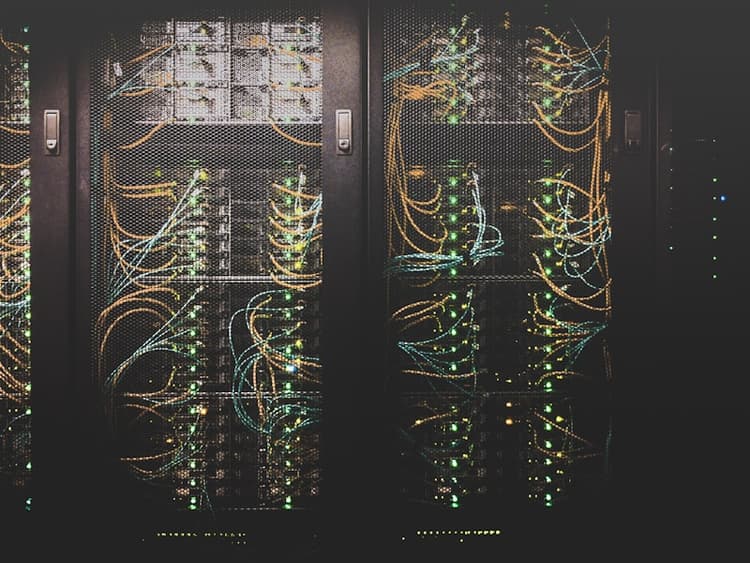
We've run modernization projects for Ontario manufacturers, professional services firms, and healthcare organizations — migrating off AS/400s, end-of-life Windows Server versions, unsupported ERP platforms, and custom-built applications that no one remembers how to modify. The work starts by understanding the business workflows that depend on the old system, not by picking a target platform.
20+
Years IT infrastructure experience
50–70%
Typical maintenance cost reduction
SOC 2
Type 2 certified team
0
Data loss on completed migrations
What Changes
What your business gains when legacy systems are finally replaced.
Eliminated Maintenance Drag
Legacy systems consume disproportionate IT budget in maintenance fees, specialist contractor rates, and hardware support contracts. Modern platforms cut that cost significantly.
Closed Security Gaps
End-of-life systems can't receive security patches. That's not a theoretical risk — it's an active vulnerability. Modernization eliminates the exposure rather than managing around it.
Native Integrations
Modern platforms integrate with Microsoft 365, your CRM, and your accounting software via standard APIs — no more custom middleware or manual data exports to connect systems.
Documented Data Migration
Every record migrated, verified, and reconciled. We don't move data until we have a validation plan in place, and we don't close the project until the numbers match.
The Plan
Getting started is simple.

System Assessment & Mapping
We document every dependency the legacy system has — integrations, data flows, business processes, and user workflows. This becomes the scope document that prevents surprises mid-migration.
Migration Planning & Execution
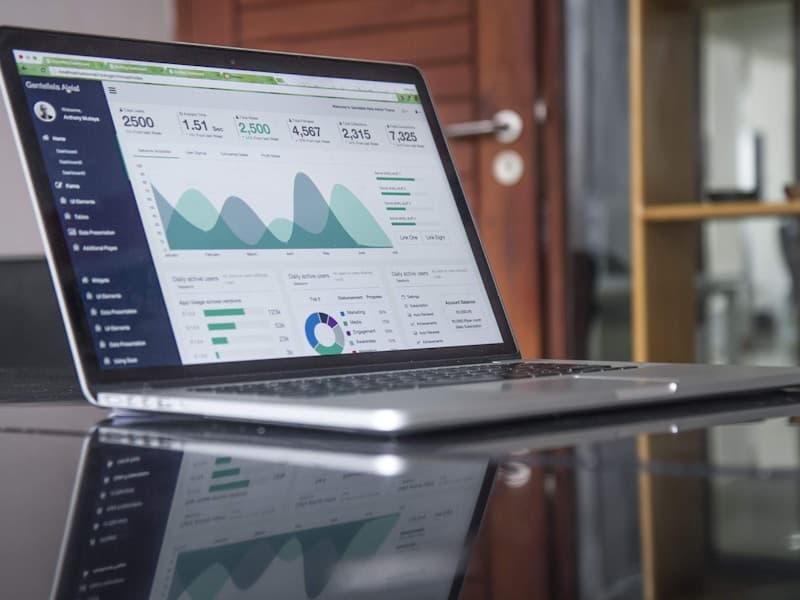
We select the target platform based on your business requirements, build the data migration scripts, run parallel validation, and execute the cutover during a defined maintenance window with a tested rollback plan.
Post-Migration Support
30–60 days of active post-migration support ensures issues are caught and resolved before they affect business operations. We don't consider the project complete until the new system is stable and the team is comfortable.
The longer a legacy system stays, the more it costs — in maintenance fees, security risk, and the integrations you can't build.
Book Free AssessmentWhat's Included
Everything under one roof.
Every layer of your IT environment — managed, monitored, and supported by one team who owns the outcome.
What Changes
What your business looks like when this is handled.
Client result
“We were running a 15-year-old ERP that cost us $80,000 a year in support fees and couldn't connect to anything modern. ETG moved us off it in four months with zero data loss. We cut that annual cost by two-thirds and finally have a system our team actually wants to use.”
CFO · Manufacturing Company · Hamilton, ON · ETG client since 2022
The Case for Legacy System Modernization
What Legacy System Modernization actually means for your business.
Legacy systems become liabilities gradually, not suddenly. The AS/400 that's been running flawlessly for 20 years, the custom-built application that only two people know how to modify, the Windows Server 2008 instance that keeps getting exceptions from your security policy — each one represents a technical debt that accumulates interest every year. The question isn't whether to modernize, it's when the cost of staying exceeds the cost of moving.
The hidden cost of legacy systems is often in the integrations you can't build. Modern businesses need their systems to talk to each other — ERP to CRM, accounting to project management, inventory to e-commerce. Legacy platforms require expensive custom middleware or manual data exports to bridge these gaps. Every hour spent maintaining these workarounds is an hour not spent on work that moves the business forward.
Migrations go wrong most often when the planning focuses on the technology rather than the business workflows that depend on it. We start every modernization engagement by mapping how the current system is actually used — including the unofficial processes that grew up around its limitations. That understanding shapes the migration plan and ensures that when users sit down at the new system on day one, it supports how they actually work.
“We scope migrations around operations first — mapping dependencies, testing integrations, and building a rollback plan before anything moves. It adds a week to the timeline and saves weeks of cleanup on the other side.”
Evolved Technology Group
Common Questions
Frequently asked questions.
Ready to stop worrying about this?
Book a free assessment. We'll review your legacy environment, quantify what staying is costing you, and outline what a migration to a modern platform would involve — before you commit to anything.